
Retail Store Planning Dubai involves much more than deciding where products and furniture should be placed. A successful retail environment needs to combine layout, customer movement, branding, signage, displays, lighting, and practical execution.
For businesses opening a new store or developing an existing retail space, planning these elements together can help create a more consistent and functional environment.
From the initial concept to the final installation, every stage can influence how customers experience the store.
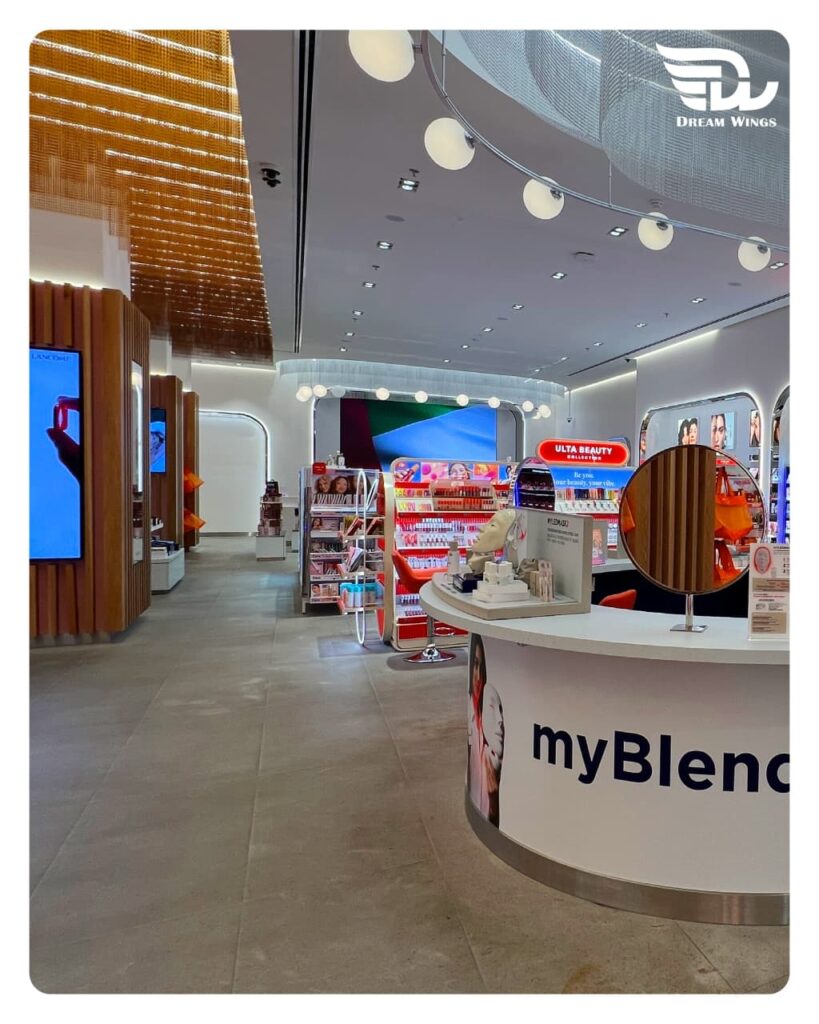
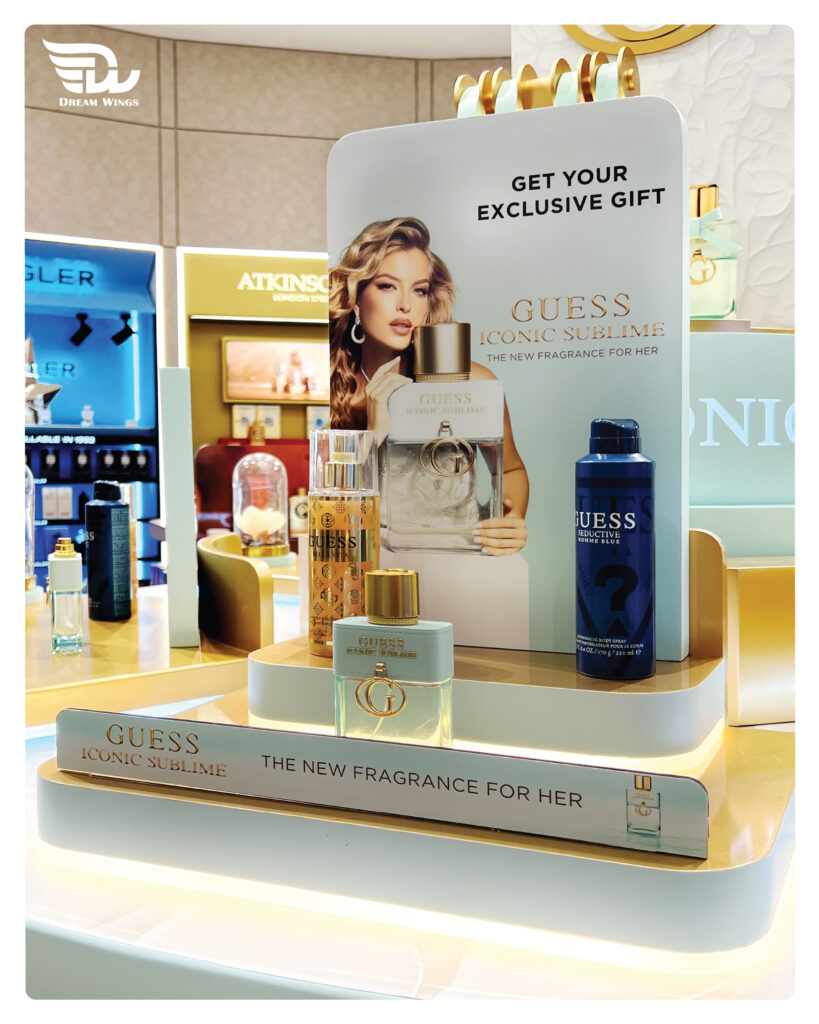
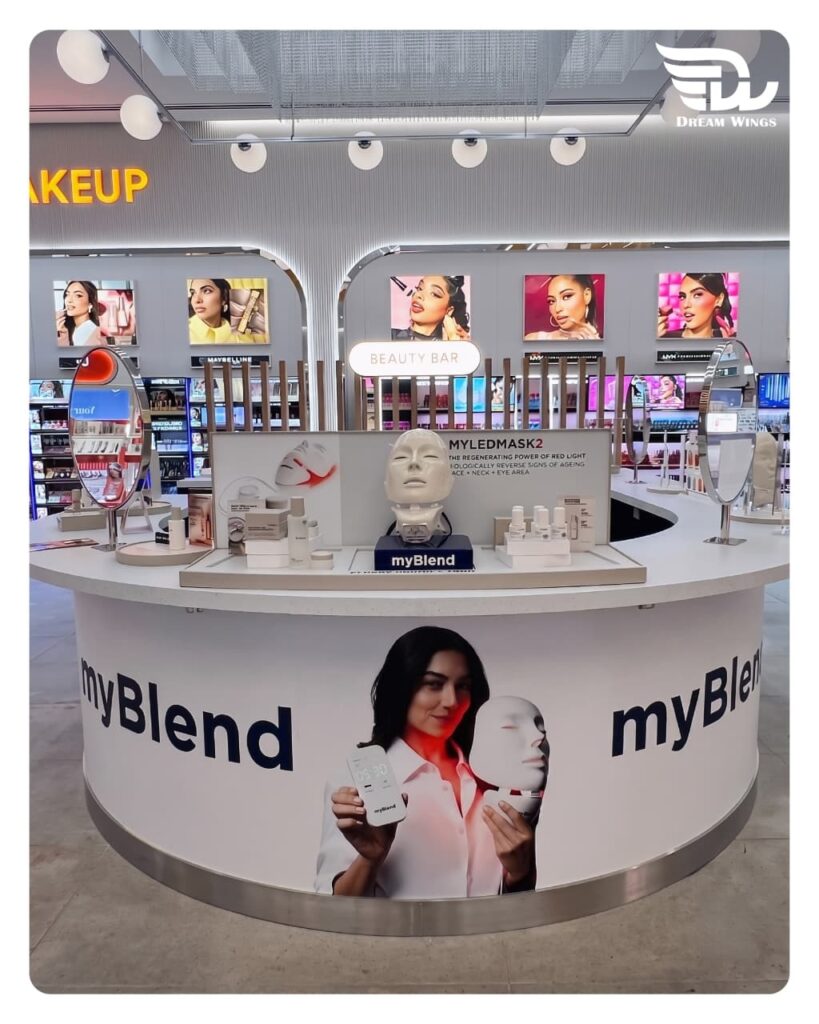
What Is Retail Store Planning Dubai?
Retail store planning Dubai is the process of deciding how a commercial retail space will be designed, organised, and executed.
It can include:
- Store layout
- Customer movement
- Product placement
- Fixtures and counters
- Lighting
- Branding
- Signage
- Display areas
- Materials and finishes
- Fit-out requirements
The objective is to create a space that works for both customers and the business.
Why Retail Store Planning Dubai Matters
Dubai has a wide range of retail environments, from shopping malls and standalone stores to kiosks, showrooms, and high-traffic commercial locations.
Each space has different requirements.
Good Retail Store Planning Dubai should consider the available space, type of products, target customers, brand identity, operational requirements, and the expected customer journey.
A well-planned store can help businesses:
- Use space efficiently
- Improve product visibility
- Create smoother customer movement
- Communicate the brand more effectively
- Integrate signage and displays
- Reduce unnecessary changes during execution
Planning the Retail Store Layout
The layout forms the foundation of the retail environment.
Before selecting fixtures or displays, businesses should understand how customers will enter, move through, browse, and leave the space.
Important areas may include:
- Entrance
- Product zones
- Promotional areas
- Display sections
- Customer service counters
- Checkout
- Storage
- Staff areas
The layout should provide a balance between customer accessibility and operational requirements.
Connecting Planning With Retail Fit-Out Dubai
Once the layout and design direction are established, the concept needs to be translated into the physical environment.
Retail Fit-Out Dubai can involve flooring, ceilings, partitions, lighting, counters, fixtures, wall treatments, displays, and other physical elements.
The fit-out should follow the overall store concept rather than being treated as a completely separate stage.
Businesses planning a complete retail environment can explore retail fit-out services in Dubai as part of the planning process.
Planning Retail Signage From the Beginning
Signage is another element that should be considered early.
Retail Signage Dubai can serve several purposes, including:
- Store identification
- Customer navigation
- Product categorisation
- Promotional communication
- Brand visibility
The position, size, materials, lighting, and visual style of signage should complement the surrounding store design.
Businesses can also explore retail signage solutions in Dubai when planning the overall retail environment.
Creating a Consistent Brand Experience
A retail store should feel connected to the wider brand.
Colours, typography, graphics, materials, displays, signage, and other visual elements can all contribute to this.
The physical environment should ideally complement the brand’s other customer touchpoints, including its website, packaging, advertising, and social media.
This creates a more consistent experience when customers interact with the business.
Product Displays and Customer Movement
Product displays should be planned around both visibility and movement.
A display may attract attention, but it should not block walkways or make the space difficult to navigate.
Consider:
- Product height
- Customer viewing angles
- Display positioning
- Available floor space
- Lighting
- Product accessibility
The right balance can help create visual focal points while maintaining a comfortable customer journey.
Materials and Finishes
Materials influence both the appearance and functionality of a retail environment.
Depending on the project, businesses may use materials such as:
- Wood
- Metal
- Glass
- Acrylic
- Printed graphics
- Illuminated elements
The selection should consider the brand identity, expected usage, maintenance, durability, and overall design direction.
Planning for Different Retail Environments
Shopping Malls
Mall stores need to stand out within a busy commercial environment while following the relevant location requirements.
Standalone Stores
These spaces may provide greater flexibility for exterior branding, entrances, customer flow, and interior planning.
Kiosks
Limited space requires careful planning of displays, signage, storage, and customer interaction.
Showrooms
Showrooms often need to balance product presentation with demonstration and customer interaction areas.
From Planning to Retail Execution Dubai
Planning is only the first stage.
The final result depends on how effectively the concept is fabricated, installed, and executed.
Retail Execution Dubai can involve coordinating fit-out, signage, displays, branding, fabrication, and installation.
For businesses looking for integrated retail solutions, Dream Wings LLC provides solutions across retail fit-out, signage, branding, displays, and fabrication.
What to Prepare Before Starting a Retail Project
Before beginning a project, businesses should establish:
- Store objectives
- Brand requirements
- Available space
- Product categories
- Customer profile
- Layout requirements
- Signage requirements
- Display requirements
- Material preferences
- Project timeline
- Budget
Clear planning can make it easier to coordinate the design and execution stages.
Conclusion
Retail Store Planning Dubai provides the foundation for creating a retail environment that is functional, visually consistent, and aligned with the brand.
From layout and product presentation to retail fit-out, signage, displays, and execution, each element should work together rather than being planned independently.
A coordinated approach can help businesses create a retail space that supports both the customer experience and everyday business operations.